
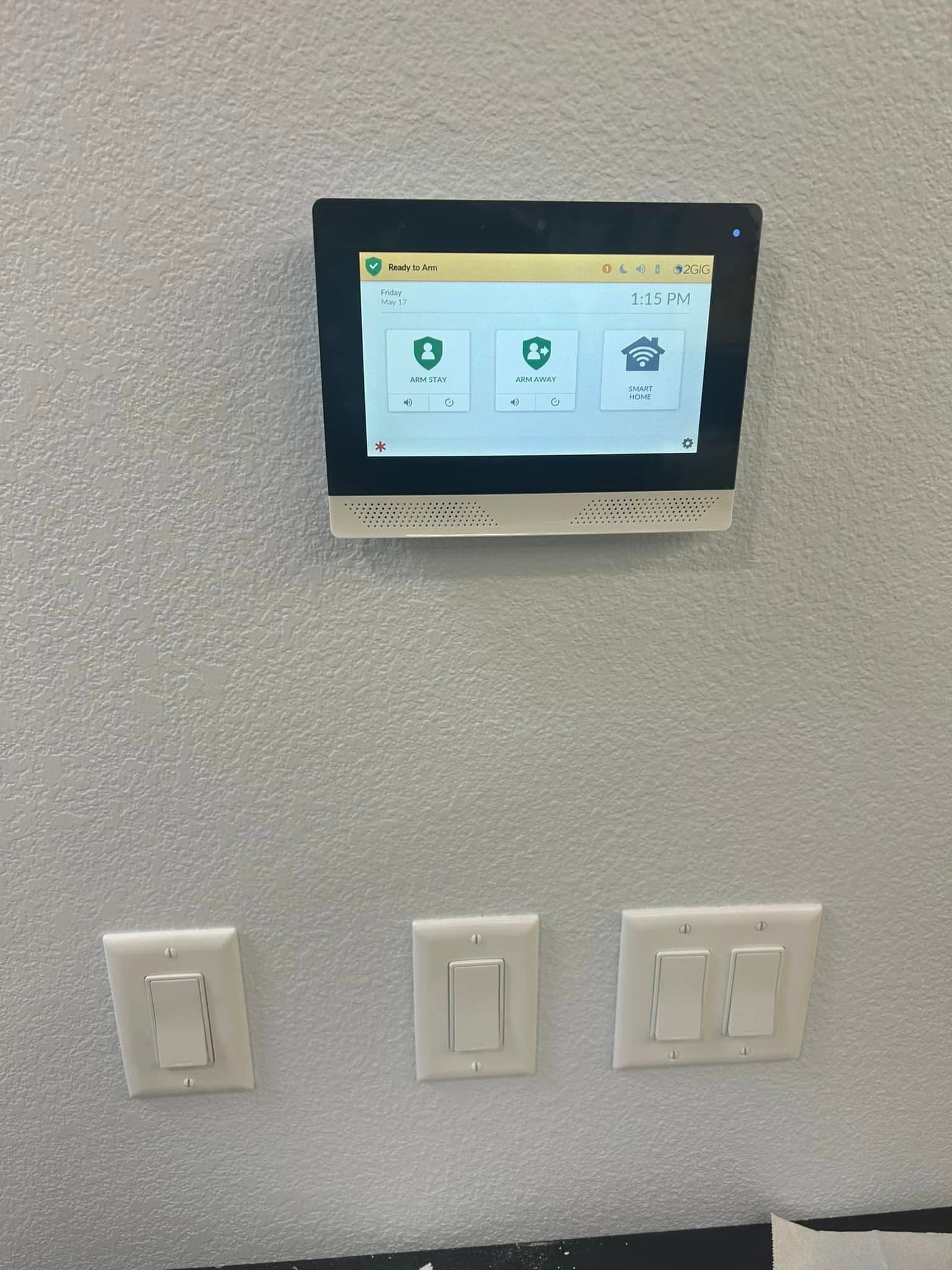
Lose the last one and the first four go quiet without telling you.
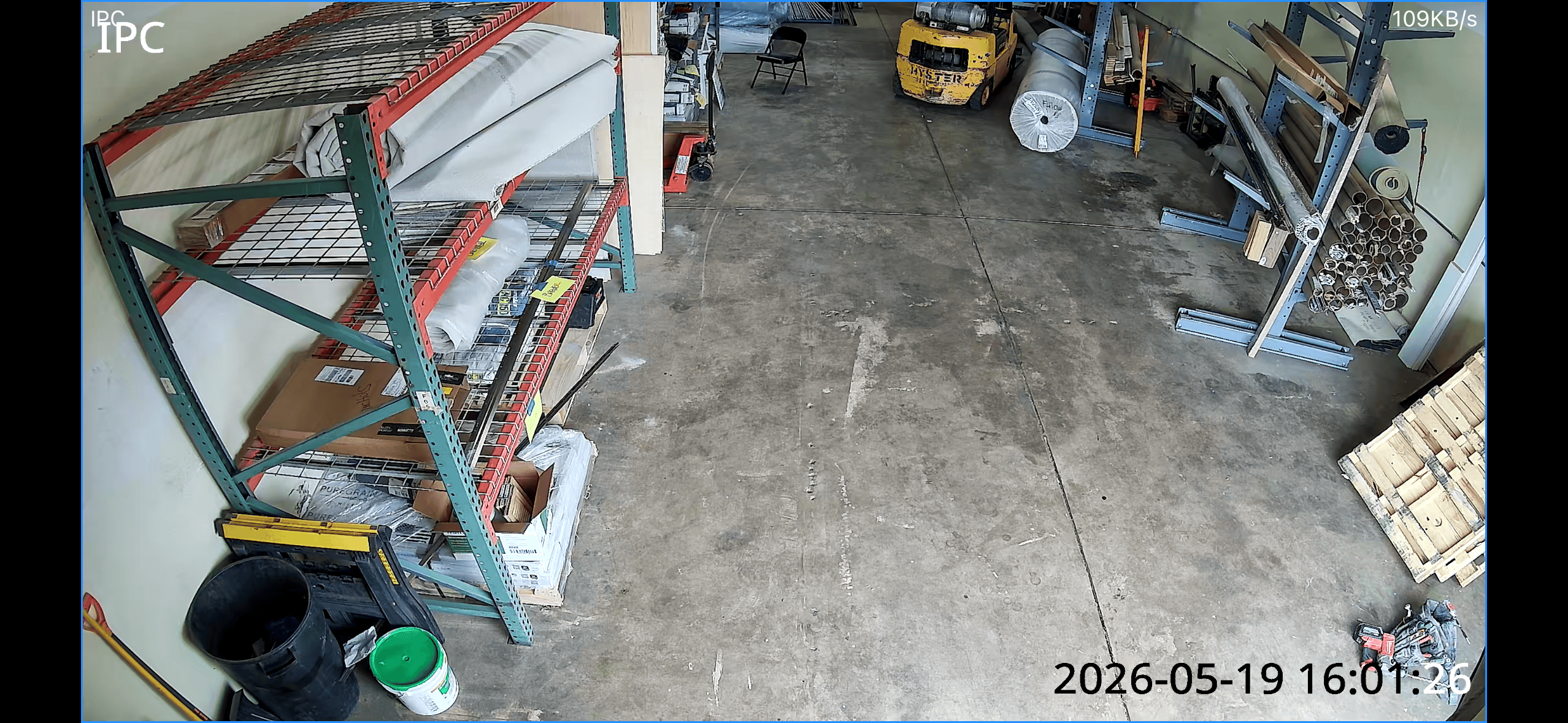
Site walk. We look at entry points, what is already installed and worth keeping, where the network terminates, and how the space is used after hours. That last one shapes more of the design than the floor plan does.
Design and quote. Hardware you own is listed separately from anything supplied under monitoring.
Rough-in and cabling. This is the disruptive stage. In an occupied building it is normally done outside trading hours and in sections, so no area sits open and uncovered overnight.
Commissioning. Every device is tested end to end, including a signal sent to the central station and confirmed as received against the right account number.
Training and handover. The permit gets filed, and arming codes are set up per person rather than one shared code that outlives every employee who knew it.
Before signing anything, get it in writing which parts of the system you are buying outright and which arrive as part of the monitoring agreement.
The answer matters most years later. Some panels are tied to one provider’s monitoring platform and cannot be moved to another company without being replaced. Others can be reprogrammed. Ask which one is being quoted, because that detail decides what changing provider costs you in three years. We quote hardware and monitoring on separate lines for the same reason.
If your building already has a system and the company behind it has stopped answering, an alarm system takeover is usually cheaper than starting again.

Yes, if the building is inside city limits and runs an alarm system. The permit comes from the Colorado Springs Police Department and the application is due within ten days of installation or of the system going on monitoring. We file it as part of the install. Renewal is annual and stays with the business.
Usually, though it depends what is already on site. Equipment built on open standards can normally be brought onto one platform with one app and one account. Older proprietary kit sometimes cannot, and where that is the case you hear it at the quote.
Both models exist and the difference is worth understanding before you sign. We separate the two on every quote, so the hardware you own and the service you pay monthly for are never bundled into one number you cannot take apart.
Most of it does not. The site walk, the design and the commissioning are quiet work. Cabling is the stage that gets in the way, and in an occupied building it is scheduled around your hours and run in sections so the building is never left open overnight.
Yes, and it often is. The usual order is to get detection and monitoring in first, since that is what brings a response, then add cameras and access control as budget allows. Designing the whole system up front is what makes phasing work, because the cabling and network capacity for later stages get allowed for while the walls are already open.